Where Borders Dissolve: Seven Artists Reimagining the Future of Independent Music
At a time when music often feels designed to be consumed quickly and forgotten even faster, a new generation of independent artists is choosing the opposite path: building complete emotional worlds rooted in honesty, vulnerability, and human connection.
@emergente1.0
5/23/20263 min leer
At a time when music often feels designed to be consumed quickly and forgotten even faster, a new generation of independent artists is choosing the opposite path: building complete emotional worlds rooted in honesty, vulnerability, and human connection. From Ecuador to Egypt, through Paris, Sicily, and Montreal, these projects blur the boundaries between language, genre, and culture, proving that authenticity remains the most powerful artistic language of all.
Whether through Arabesque folk, feminist electro-rock, introspective rap, French chanson, or explosive Balkan fusion, these artists share a common instinct: creating music that does more than entertain. Their songs question reality, preserve memory, confront social structures, and accompany the emotional anxieties of modern life.
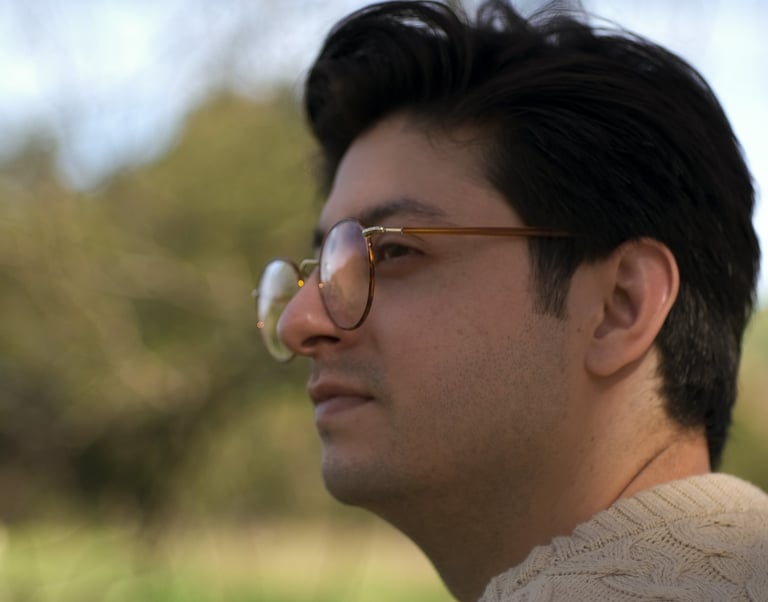
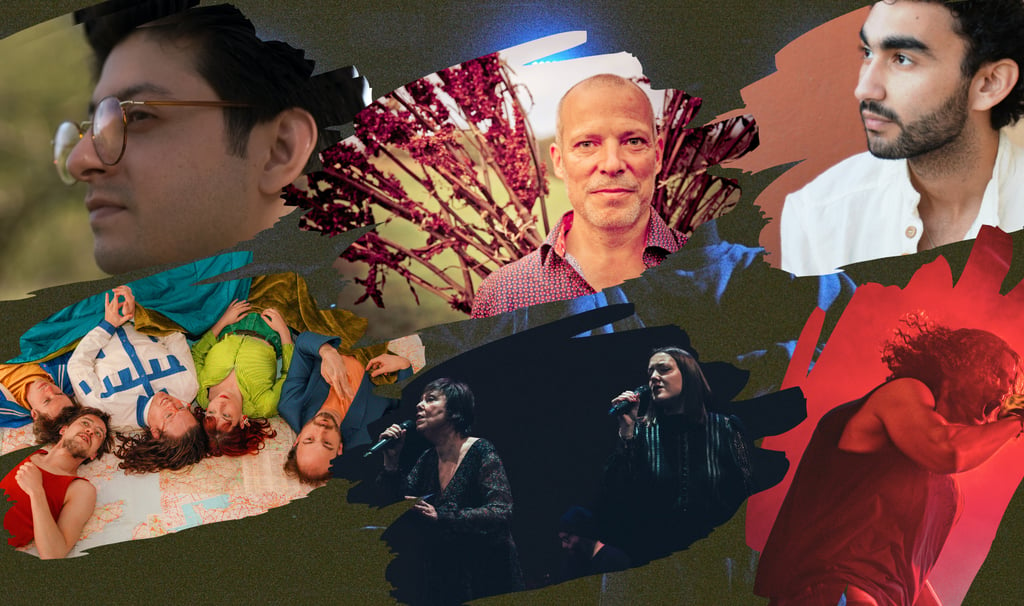
One of those voices is Artesano, the new artistic identity of Ecuadorian songwriter and producer Cristian Avila. With his debut single “Casualidad,” Artesano transforms a release into an immersive experience. Built around acoustic guitars, piano, and organic rhythms, the song introduces a larger universe where every pre-save unlocks exclusive digital fragments tied to the upcoming album. A graduate of Berklee College of Music, Artesano prioritizes emotional intention over algorithmic formulas, inviting listeners to enter his creative world rather than simply stream a song.
In France, Ryman joins forces with Cxsar for “MORCEAUX,” a bilingual dialogue between French rap and Spanish melodies. Produced by La Nuit, the track blends electronic textures, atmospheric production, and intimate songwriting into a soft pop landscape suspended between longing and tenderness. The result reinforces the identity of ROOTS, Ryman’s deeply personal EP exploring identity, freedom, and emotional inheritance.
Experimentation also arrives through theatrical absurdity. A French rock collective inspired by artists such as Frank Zappa and black midi transforms the story of an aging dog named Alto into a chaotic, ironic, and unexpectedly moving rock anthem. Originally written during lockdown and reshaped over several years, the song evolves into a reflection on loneliness, aging, generational distance, and the strange beauty of human attachment.
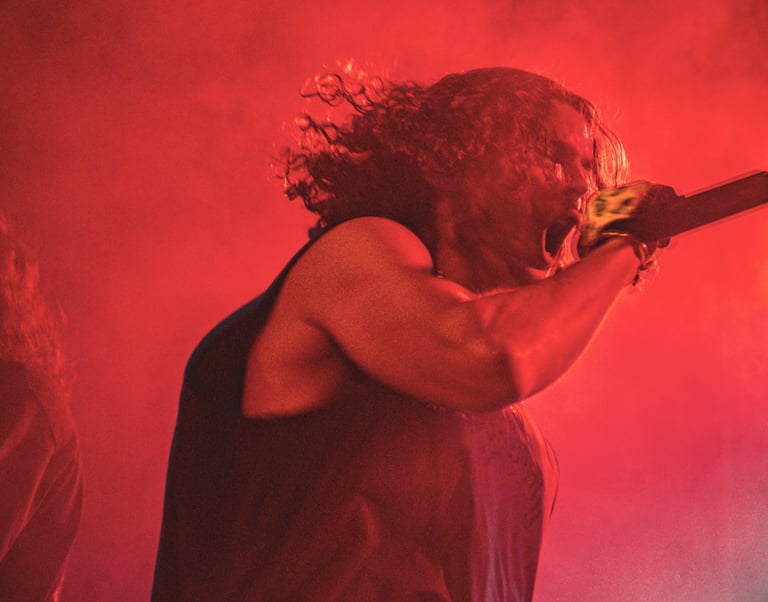
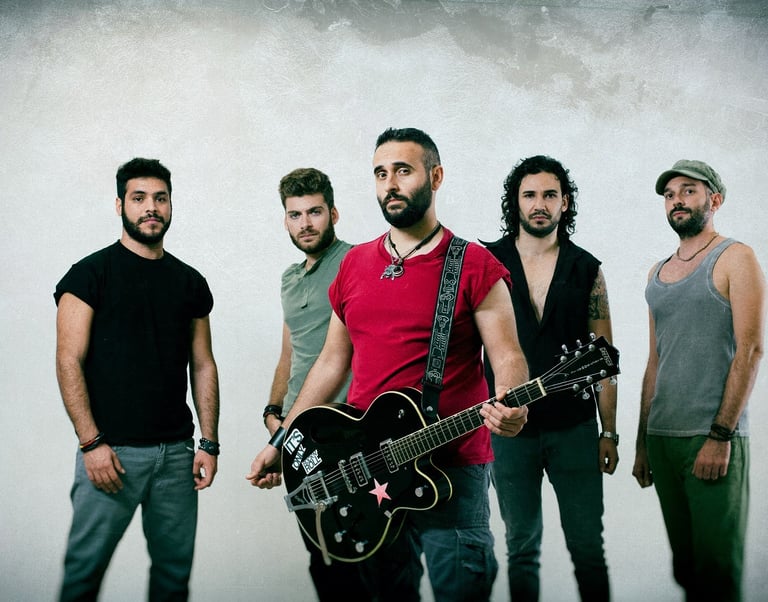
From Sicily, Giufà unleashes “Gipsy Mode,” an explosive collision between Balkan ska and Sicilian tarantella. After performing across more than 150 European festivals — including Montreux Jazz Festival and Boomtown Fair — the band returns with a raw anti-stereotype anthem fueled by political satire, Mediterranean energy, and relentless rhythms. Mixed by Dema of Talco, the single transforms rebellion into collective celebration.
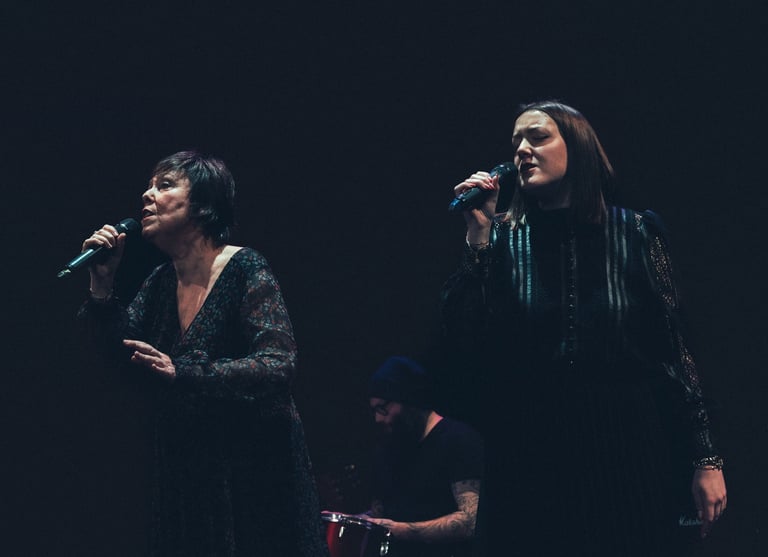
Another emotional dimension emerges through ODHAM, a project created by Caroline Chivé and her daughter Garance Socquet-Clerc. Blending French chanson, indie aesthetics, and alternative rock, the duo crafts songs where family intimacy becomes poetic storytelling. Their music embraces vulnerability as strength, creating a deeply human dialogue between generations.
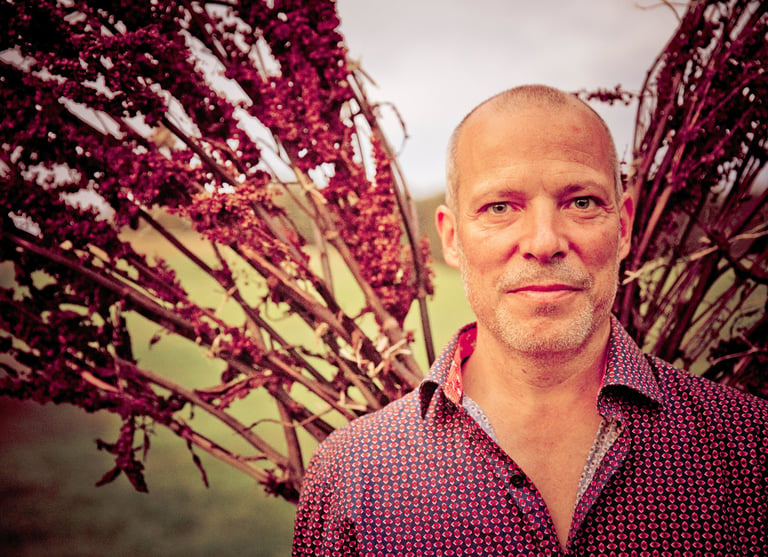
Political songwriting also finds new resonance through Tomas Jensen and Paul Cargnello. In “L’Écart Du Monde,” reggae-blues grooves, Latin folk textures, and activist lyricism collide to portray a fractured contemporary world. The song’s warmth and social consciousness transform it into both protest and reflection.

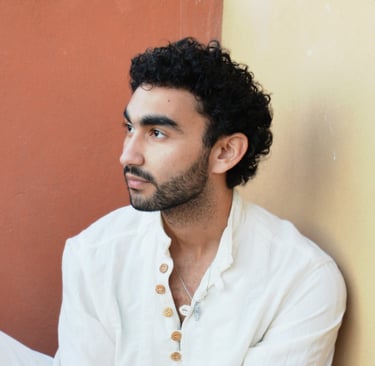
Meanwhile in New York, Michael Isaak reimagines modern folk through “Hold Your Keys,” a deeply personal meditation on exile, homeland, and return. Centered around the Arabic oud and shaped by Isaak’s family history in Egypt, the song introduces what the artist calls Arabesque Folk: a sound where traditional Arab instrumentation and indie songwriting coexist naturally. Sparse yet emotionally devastating, the track carries hope for displaced communities while preserving memory through music.
Together, these artists represent far more than isolated independent releases. They reflect a broader movement redefining contemporary alternative music — one where genres collapse, languages coexist, and emotional truth matters more than commercial expectations.
In an industry obsessed with speed and visibility, these musicians are reclaiming something increasingly rare: artistic identity, emotional depth, and genuine human resonance. Perhaps that is the real revolution happening in independent music today — artists who still believe a song can change the way we understand ourselves and the world around us.